
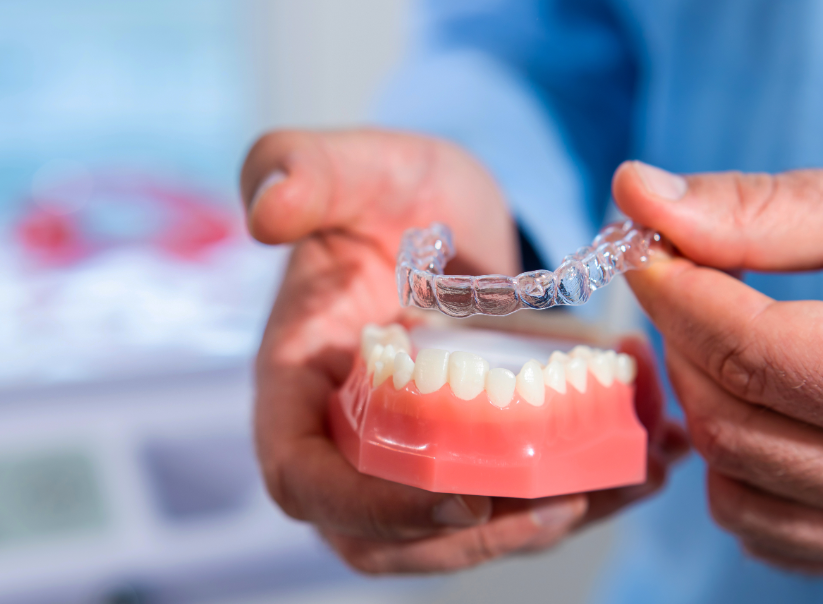
If you grind or clench your teeth, you may wonder whether Invisalign is still an option for straightening your smile. After all, clear aligners are designed to move your teeth gradually, so can they withstand the pressure caused by bruxism?
The good news is that teeth grinding doesn’t automatically rule out Invisalign. However, your dentist or orthodontist will need to evaluate your individual situation before determining whether clear aligners are appropriate for you.
What Is Bruxism?
Bruxism is the habit of grinding or clenching your teeth, often without realizing you’re doing it. Some people grind their teeth while they’re awake, while others experience sleep bruxism and may not know they’re doing it until a dental professional notices signs of wear.
Over time, frequent grinding can contribute to worn, chipped, or cracked teeth. It can also cause jaw soreness, headaches, or discomfort around the teeth and jaw.
That’s why it’s important to tell your dentist if you grind or clench your teeth, particularly before starting orthodontic treatment.
Can Invisalign Handle Teeth Grinding?
Invisalign aligners are made from durable plastic and are designed to withstand the normal forces associated with orthodontic treatment. In some cases, wearing an aligner may also provide a protective barrier between your upper and lower teeth, potentially reducing direct tooth-on-tooth contact while the aligner is in place.
However, aligners aren’t specifically designed to treat bruxism. Significant or persistent grinding can put additional stress on your aligners and teeth, so your dentist will need to consider the severity of your bruxism when developing your treatment plan.
Your provider may recommend additional strategies to manage grinding while you straighten your teeth.
Can Invisalign Prevent Tooth Damage?
Wearing an aligner can separate your teeth and may reduce direct contact between them while you’re wearing it. This could help limit some of the wear caused by clenching or grinding.
That doesn’t mean Invisalign can prevent all damage associated with bruxism, though. Grinding can still place substantial pressure on your teeth, aligners, and surrounding structures.
The best approach is to have your dentist assess the condition of your teeth and discuss your grinding habits before treatment begins.
You May Still Be a Candidate
Having bruxism doesn’t necessarily mean you have to give up on the idea of clear aligners. Your dentist or orthodontist can evaluate your bite, tooth alignment, existing wear, and the severity of your grinding to determine whether Invisalign is a suitable choice.
If clear aligners are appropriate, following your provider’s instructions and attending regular appointments will be important. Your dental team can monitor your progress and look for signs that your teeth or aligners are experiencing excessive stress.
Protect Your Smile During Treatment
If you grind your teeth, don’t assume Invisalign is off the table. Instead, let your dental professional know about your bruxism so they can determine whether clear aligners are right for you and help you protect your smile throughout treatment.
With the right treatment plan and professional monitoring, you may be able to straighten your teeth while also addressing the challenges associated with grinding.
About the Practice
Main Street Pediatric Dentistry offers dental care for children and teens, including Invisalign clear aligner treatment for appropriate patients. The practice focuses on personalized care and helping young patients maintain healthy, confident smiles throughout their dental and orthodontic journeys.
A little planning can go a long way toward keeping your teeth protected while you work toward a straighter smile.
Call us at (925) 575-8878 or schedule your appointment online